Cold Composting: The Low-Effort Method for Beginners
Cold Composting: The Low-Effort Method for Beginners
If the idea of composting has always appealed to you but the thought of turning heaps, monitoring temperatures, and obsessing over carbon-to-nitrogen ratios has put you off, cold composting might be exactly what you have been looking for. It is the most accessible, least demanding form of composting available to home gardeners, and it suits the pace of ordinary British life rather well. You do not need specialist equipment, a large garden, or any prior experience. You simply need a container, some organic waste, and a little patience.
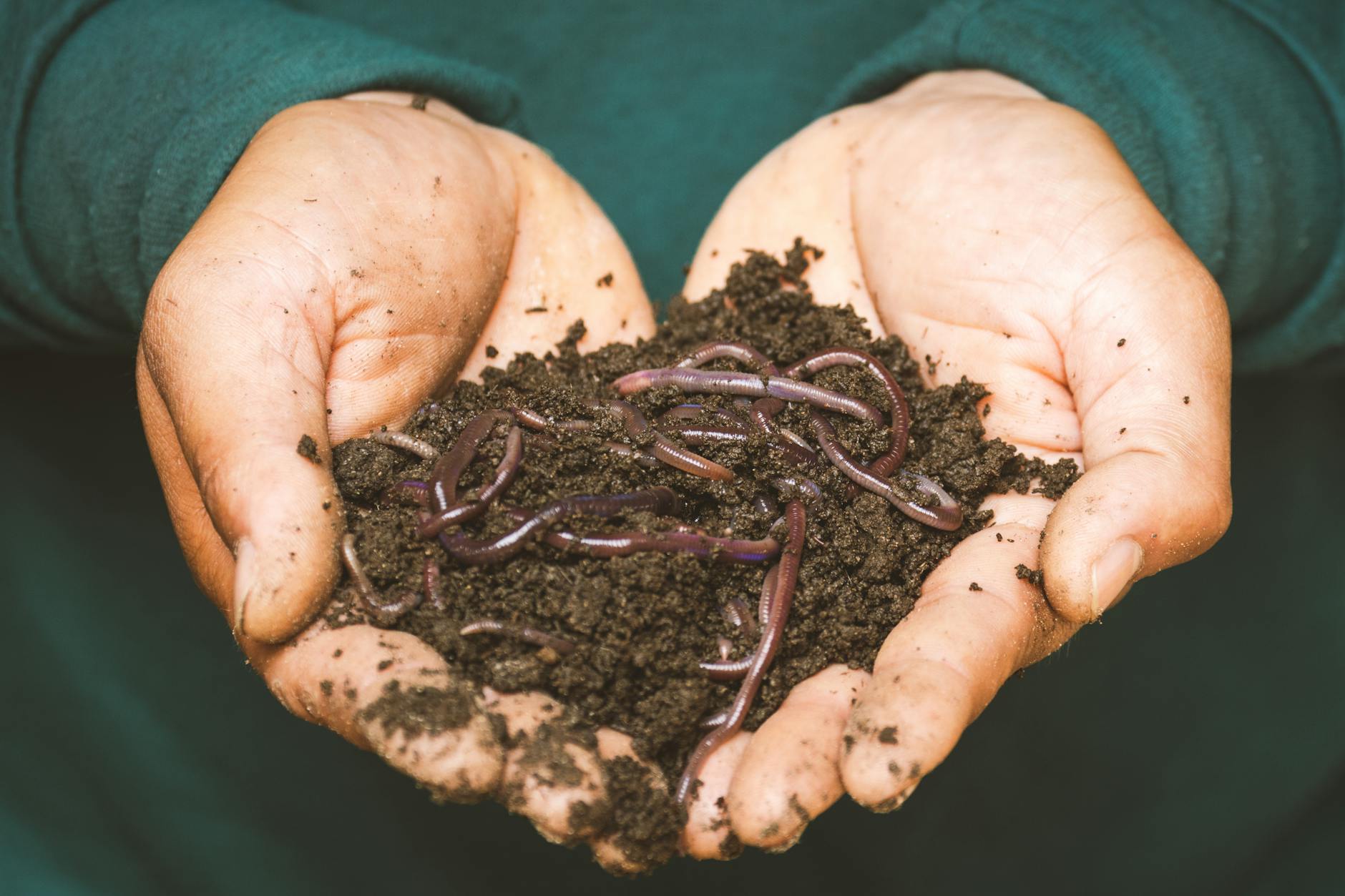
Cold composting, sometimes called passive composting, is a slow decomposition process that takes place at ambient temperatures — typically between 10°C and 20°C in the UK — without the need for regular turning or precise material ratios. Microbes, fungi, worms, and other soil organisms do the work over a period of six months to two years. The end result is the same rich, crumbly, dark compost that gardeners call “black gold,” just achieved on a more relaxed timescale than its hot-composting counterpart.
This guide covers everything a beginner in the UK needs to know to get started with cold composting — from choosing the right bin to understanding what goes in, what stays out, and how to use the finished product in your garden.
Why Cold Composting Suits UK Conditions
Britain’s climate is not always the most generous when it comes to heat. Wet winters, mild summers, and overcast skies mean that achieving and sustaining the high internal temperatures required for hot composting (55°C to 70°C) is genuinely difficult without significant effort and the right volume of material. Cold composting sidesteps this problem entirely. It works at whatever temperature your garden provides, simply slowing down during the colder months and picking up again in spring.
This makes it a practical fit for most UK households. Whether you are in a terraced house in Leeds with a small paved yard, a semi-detached in Surrey with a modest lawn, or a cottage in rural Wales with space to spare, cold composting can be adapted to suit your situation. Even flat-dwellers with access to a communal garden or allotment can participate.
It is also worth noting that around 30% of the average UK household’s waste is organic and compostable. Composting that material at home means less going into your black bin, reduced reliance on council collections, and a direct benefit to your garden soil — all without a significant time commitment on your part.
Choosing the Right Compost Bin
The first practical decision you will make is what type of bin to use. In the UK, your local council is often the best first port of call. Many local authorities — including those run by councils in England, Scotland, and Wales — offer subsidised compost bins through the GetComposting scheme (getcomposting.com), where bins that retail for £40 or more can often be purchased for as little as £10 to £15 with a valid postcode. It is always worth checking before buying at full price.
There are several types of bin suited to cold composting:
- Plastic dalek-style bins — the most common type distributed through council schemes. They are closed at the top, retain some moisture, and deter larger pests. They hold roughly 220 to 330 litres and suit most back gardens.
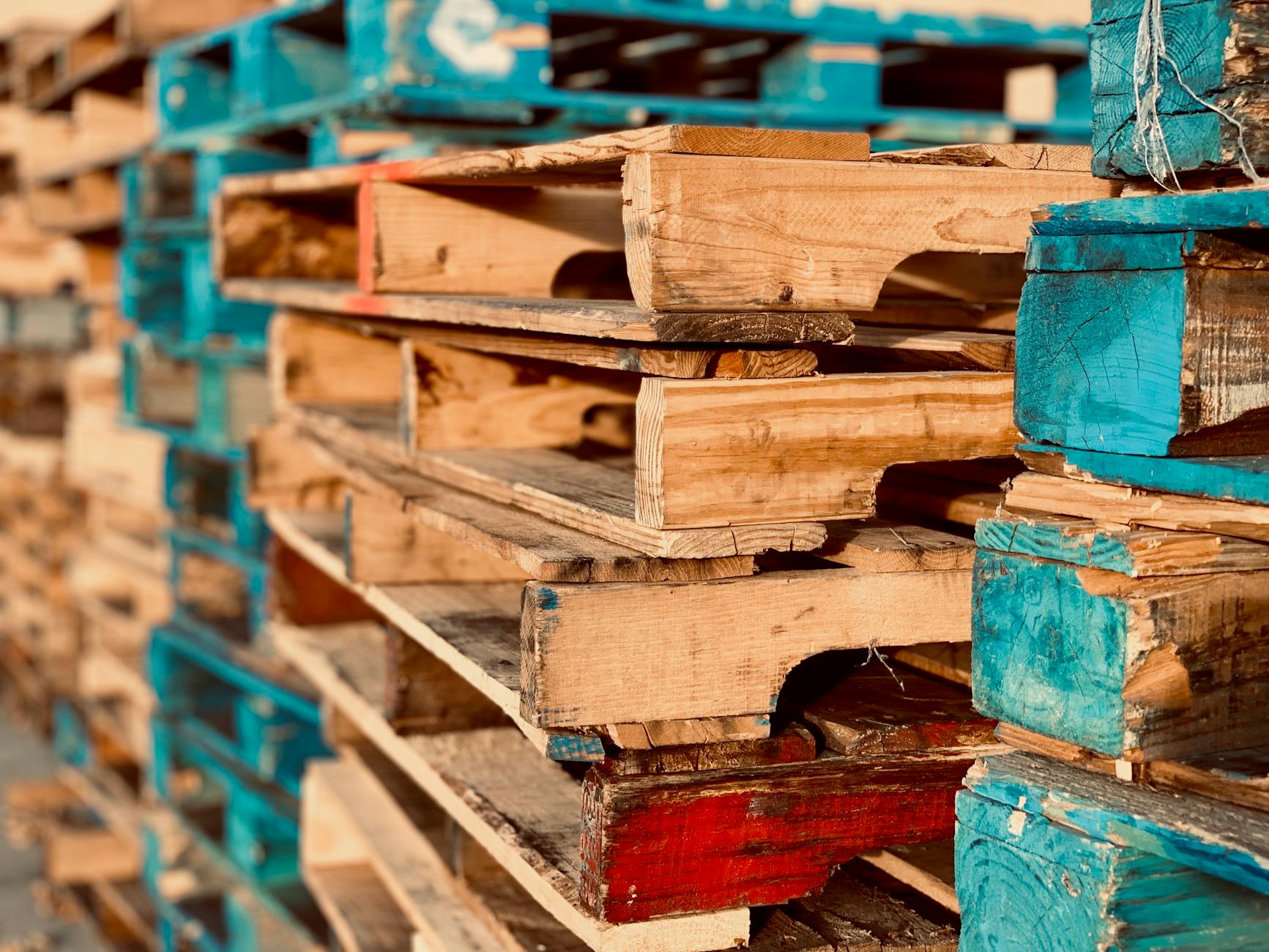
- Wooden slatted bins — better airflow than plastic, which can help with decomposition, and they look more attractive in a formal garden. You can buy flat-pack versions from suppliers like Harrod Horticultural or make your own from recycled pallets.
- Wire mesh bins — cheap and easy to make at home using a length of chicken wire or weld mesh. Good for leaves and dry material, though less suitable for food scraps as they offer little protection from rodents.
- Two-bay or three-bay systems — useful if you want a continuous supply of compost. You fill one bay while the other matures. More space is required, but the system is highly effective for productive gardens or allotments.
For most beginners, a single plastic bin from a council scheme is the sensible starting point. It is affordable, weatherproof, and straightforward to use. You can always scale up later.
Placement matters too. Position your bin on bare soil rather than concrete or paving slabs if at all possible. This allows worms and other decomposers to enter from below, which significantly speeds up the process. Choose a spot with partial shade — full sun can dry the heap out, while deep shade in a north-facing corner may make it too cold and damp in winter. Somewhere accessible year-round is ideal, so you are not trudging through muddy flowerbeds with your kitchen caddy in January.
What You Can and Cannot Compost
Cold composting accepts a wide range of organic materials. The key principle is balancing “greens” (nitrogen-rich materials) with “browns” (carbon-rich materials). You do not need to weigh anything or calculate ratios — a rough visual balance of roughly equal volumes works well enough for cold composting. If in doubt, add more browns, as most beginners tend to over-add greens.
Greens (nitrogen-rich materials) include:
- Fruit and vegetable peelings and scraps
- Tea bags and loose tea leaves (check your tea bags are plastic-free — many UK brands including PG Tips and Clipper now offer plastic-free options)
- Coffee grounds and paper filters
- Grass clippings
- Fresh plant trimmings and annual weeds (avoid weeds that have set seed)
- Cut flowers past their best
- Eggshells (technically neutral, but a useful addition)
Browns (carbon-rich materials) include:
- Cardboard torn into pieces (remove any tape or staples)
- Newspaper and plain paper
- Paper bags, egg boxes, and cardboard tubes
- Dry autumn leaves
- Straw and hay
- Wood chippings and small twigs
- Paper towels and napkins
- Sawdust from untreated wood
There are also materials that should be kept out of a cold compost heap, particularly because the lower temperatures do not reliably destroy harmful pathogens or weed seeds in the way that a hot heap would.
Do not add to a cold compost heap:
- Meat, fish, or bones — these attract rats and other pests
- Cooked food of any kind
- Dairy products, including cheese, butter, and yoghurt
- Diseased plant material — diseases may survive and spread back into your garden
- Perennial weeds such as bindweed, couch grass, or Japanese knotweed — their roots can survive cold composting and regrow
- Cat or dog faeces — these can carry pathogens dangerous to human health
- Glossy magazines or heavily printed paper
- Synthetic fabrics or materials containing plastics
A note on cooked food: if you want to compost cooked kitchen scraps, a bokashi system is worth considering as an addition to cold composting. Bokashi is an anaerobic fermentation method using inoculated bran, popular in the UK through suppliers like Original Organics. The fermented material can then be buried in your cold compost bin or dug directly into soil, where it breaks down rapidly.
How to Build and Maintain a Cold Compost Heap
One of the great advantages of cold composting is that there is no strict construction method. You simply add materials as they become available. That said, a few good habits from the start will produce noticeably better results.
- Start with a layer of browns. Place a 10 to 15 centimetre layer of coarse brown material — wood chippings, torn cardboard, or straw — at the base of your bin. This aids drainage and airflow from the bottom.
- Add your greens. Add a layer of kitchen scraps or garden waste on top of the browns. Fresh grass clippings in particular should be added in thin layers as they mat together and block airflow if added in bulk.
- Cover each green layer with browns. Every time you add food scraps or fresh garden waste, top it with a layer of cardboard, torn paper, or dry leaves. This prevents odours, deters flies, and maintains the green-to-brown balance.
- Keep the heap moist but not waterlogged. The material should feel like a wrung-out sponge — damp but not dripping. During dry UK summers, you may need to add a little water. During wet winters, a fitted lid helps prevent the heap becoming waterlogged.
- Chop or shred material where possible. Smaller pieces decompose faster. Tearing cardboard into pieces, cutting up large vegetable scraps, and running a mower over autumn leaves before adding them all reduce the time to finished compost significantly.
- Be patient and consistent. Add material regularly throughout the year. Do not be discouraged if progress looks slow — especially in winter. The heap is still working, just at a reduced pace.
- Harvest from the bottom. Most dalek-style bins have a hatch at the base. After six to twelve months, the oldest material at the bottom will be the most mature. Use a trowel to pull out finished compost from the hatch while continuing to add fresh material at the top.
Troubleshooting Common Cold Composting Problems
Even the most low-maintenance systems occasionally need a little attention. Here are the issues most commonly encountered by beginners in the UK, along with straightforward solutions.
The heap smells unpleasant. A sulphurous or ammonia-like smell usually means too many greens and not enough browns, or that the heap is too wet. Add a generous layer of torn cardboard or dry leaves and mix lightly with a garden fork. The smell should reduce within a few days.
Nothing seems to be happening. In cold weather, decomposition slows considerably — this is entirely normal during a British winter. If the problem persists into spring, the heap may be too dry, too full of browns with insufficient nitrogen, or lacking in microbial life. Add a good amount of fresh grass clippings, dampen the heap slightly, and
consider adding a spadeful of finished compost or soil from elsewhere in the garden to introduce beneficial microorganisms.
The heap is attracting pests. Rats and mice are occasionally drawn to compost heaps, particularly if cooked food, meat, or dairy has been added — none of which should go in a cold heap. Ensure you are only adding raw fruit and vegetable peelings, and consider switching to a closed plastic bin with a lid and a rodent-proof base if an open heap is proving problematic. Turning the heap periodically and burying fresh material beneath older layers also helps deter unwanted visitors.
The compost is slimy or matted. This typically happens when too many wet, soft materials — such as grass clippings or vegetable peelings — have been added in thick layers without anything to break them up. Pull the heap apart if possible, separating any compacted clumps, and mix in scrunched cardboard, wood chip, or straw to restore air pockets and improve drainage. Going forward, alternate layers of wet greens with drier, bulkier browns as you add material.
Making Use of Your Finished Compost
Once your compost has matured — typically after nine to eighteen months — it should be dark, crumbly, and smell pleasantly of earth. It will not look perfectly uniform; finding the odd eggshell or twig is entirely normal. Use it as a soil conditioner by spreading a layer of two to three inches across beds and borders in autumn or spring, then working it lightly into the surface. It can also be mixed into planting holes, used as a top dressing around established shrubs, or blended with topsoil and sharp sand to produce a general-purpose potting mix.
Conclusion
Cold composting will never be the fastest route to finished compost, but it remains one of the most practical and forgiving options available to a beginner. It asks very little — a suitable spot, a reasonable mix of materials, and the patience to let natural processes do the work at their own pace. For most households in the UK, a simple heap or closed bin, managed with occasional attention rather than constant effort, will produce a steady and genuinely useful supply of compost year after year. Start small, adjust as you go, and the method will repay the modest effort it requires.