Bokashi Composting: Fermenting Food Waste in the UK
Bokashi Composting: Fermenting Food Waste in the UK
Most people who start composting at home quickly run into the same frustration: the heap or bin simply cannot take cooked food, meat, fish, or dairy. You end up throwing a significant portion of your kitchen waste into the general rubbish bin, which feels like a missed opportunity. Bokashi composting solves that problem entirely. It is a fermentation-based system that processes virtually all food waste, including the items that traditional composting cannot handle, and it does so quickly, with very little odour, and in a compact container that fits under a kitchen worktop.
This guide covers everything a UK beginner needs to know about bokashi composting – what it is, how it works, where to get started, and how to integrate it into your broader garden or allotment routine.
What Is Bokashi Composting?
The word bokashi comes from the Japanese term meaning “fermented organic matter.” The method was developed in Japan in the 1980s by Professor Teruo Higa, who discovered that a specific mix of beneficial microorganisms could ferment food waste rather than decompose it in the traditional sense. Unlike hot composting or cold composting, bokashi does not rely on heat or oxygen to break material down. Instead, an airtight bucket and a microbial inoculant – known as bokashi bran – create an anaerobic (oxygen-free) fermentation environment.
The result is not finished compost straight from the bucket. What you get after two to four weeks is a pickled, pre-digested food waste that is rich in nutrients and acids. That material then needs a second stage – burial in soil or addition to a compost heap – where it breaks down rapidly and enriches the ground. Think of it as two separate phases working together.
Why Bokashi Is Particularly Useful in the UK
British households face a specific challenge when it comes to food waste. According to WRAP (Waste and Resources Action Programme), UK households throw away approximately 6.4 million tonnes of food every year, much of which is perfectly avoidable. A large share of that waste – cooked meals, meat scraps, bread, cheese, leftover sauces – cannot go into a standard garden compost bin without attracting pests or producing strong odours.
Urban and suburban living makes this worse. Millions of people across cities like Manchester, Birmingham, Bristol, and London have small gardens or no garden at all. A traditional compost heap is not practical. Bokashi works on a kitchen worktop or under the sink, requires no outdoor space for the active fermentation phase, and produces a liquid by-product that functions as a plant feed and drain cleaner. For flat dwellers, community gardeners, and anyone with a small terrace, it is a genuinely practical solution.
The UK also has a growing network of council food waste collections, but coverage remains patchy. Many local authorities in England, Wales, and Scotland still do not collect food waste separately, though the government has committed to weekly separate food waste collection for all English households. Until that infrastructure is fully in place, bokashi gives households a reliable way to divert food from landfill independently.
What Can – and Cannot – Go Into a Bokashi Bin
One of bokashi’s greatest advantages is its flexibility. The list of acceptable materials is far longer than for traditional composting.
You can add:
- Cooked and uncooked meat and fish, including bones (soft bones will break down; hard bones are best removed)
- Dairy products – cheese rinds, yoghurt, milk
- Cooked meals and leftovers of all kinds
- Bread, pastries, and baked goods
- Fruit and vegetables, including citrus
- Coffee grounds and paper filters
- Tea bags (check they are not plastic-sealed first)
- Eggs and eggshells
- Small amounts of paper towels or cardboard used to absorb liquid
You should not add:
- Large quantities of liquid – drain excess liquid from food before adding it
- Mouldy food that has already begun to rot (a little surface mould is fine, but heavily decomposed material disrupts the fermentation)
- Non-food items such as plastic packaging or metal
- Very large bones or shells that will not break down
Understanding Bokashi Bran
Bokashi bran is the key ingredient that makes the whole system work. It is typically wheat bran, rice bran, or sawdust that has been inoculated with a consortium of effective microorganisms – usually including lactic acid bacteria, yeasts, and phototrophic bacteria. These microorganisms are present in a dormant state on the bran. When they come into contact with food waste in an anaerobic environment, they activate and begin the fermentation process.
The bran is sprinkled over each layer of food waste added to the bin, much like layering a lasagne. A typical recommendation is one to two tablespoons of bran per layer of waste, though you should follow the guidance on the product you purchase. Using too little bran increases the risk of the waste rotting rather than fermenting. Using too much wastes bran unnecessarily but does no harm to the process.
In the UK, bokashi bran is widely available from garden centres, online retailers, and specialist composting suppliers. Reputable sources include Wiggly Wigglers (based in Herefordshire), Original Organics, and Green Johanna stockists. Many zero-waste shops in cities also stock it. A standard 2 kg bag typically costs between £8 and £15 and lasts a household of two to four people roughly three to four months.
Setting Up Your Bokashi Bin: Step-by-Step
Getting started with bokashi is straightforward. You need a purpose-built bokashi bin – a tightly sealed container with a tap near the base to drain liquid – and a bag of bokashi bran. You can purchase starter kits from most of the suppliers mentioned above, with kits typically priced between £25 and £50 and often including two bins so you can have one fermenting while the other fills.
- Place your bin in a convenient location. Under the kitchen sink or on a worktop works well. The bin should be at room temperature – avoid placing it near a heat source or in a very cold garage during winter, as extreme temperatures affect fermentation.
- Sprinkle a light layer of bokashi bran across the bottom of the bin. This primes the surface before any food is added.
- Add your first layer of food waste. Aim for a layer roughly 3-5 cm thick. Cut larger pieces into smaller chunks to increase surface area and speed up fermentation.
- Sprinkle one to two tablespoons of bokashi bran evenly over the layer. Make sure the bran covers the surface adequately.
- Press the food down firmly. Removing air pockets is important – use a potato masher or the back of a plate. The less air in the bin, the better the anaerobic fermentation works.
- Seal the lid tightly after every addition. This step is critical. The sealed environment prevents oxygen from entering and controls odour.
- Drain the bokashi liquid (also called bokashi tea) every two to three days using the tap at the bottom of the bin. This prevents excess liquid from pooling, which can encourage unwanted rot.
- Continue adding layers until the bin is full. This typically takes two to four weeks for an average household.
- Once the bin is full, seal it completely and leave it to ferment for a further two weeks. Keep the lid on and do not open it during this period.
- After two weeks, the pre-compost is ready for burial or addition to a compost heap. It will smell tangy and slightly vinegary, which is a sign of successful fermentation. White mould on the surface is also a good sign. Green or black mould indicates something went wrong.
Using the Bokashi Liquid
The liquid that drains from the tap is one of bokashi’s most useful by-products. It is rich in nutrients and microbial life, and it has two main uses.
As a plant feed, dilute it at a ratio of approximately 1:100 (one part liquid to one hundred parts water). This produces a gentle liquid fertiliser suitable for watering into soil around plants. Do not apply it undiluted to plant roots or leaves, as the acidity can cause damage. It works well on vegetable patches, allotment beds, and houseplants.
Undiluted bokashi liquid can be poured directly down drains and toilets, where its microbial content helps break down grease and organic build-up. Many users report that regular use significantly reduces sink and drain blockages. For households with a septic tank, this can be a genuine maintenance benefit.
The liquid does lose its potency fairly quickly, so use it within 24 to 48 hours of draining it from the bin for the best results.
The Second Stage: Burying or Composting the Pre-Material
Bokashi pre-compost is acidic and not yet suitable for direct contact with plant roots. It requires a second stage to complete the transformation into usable compost.
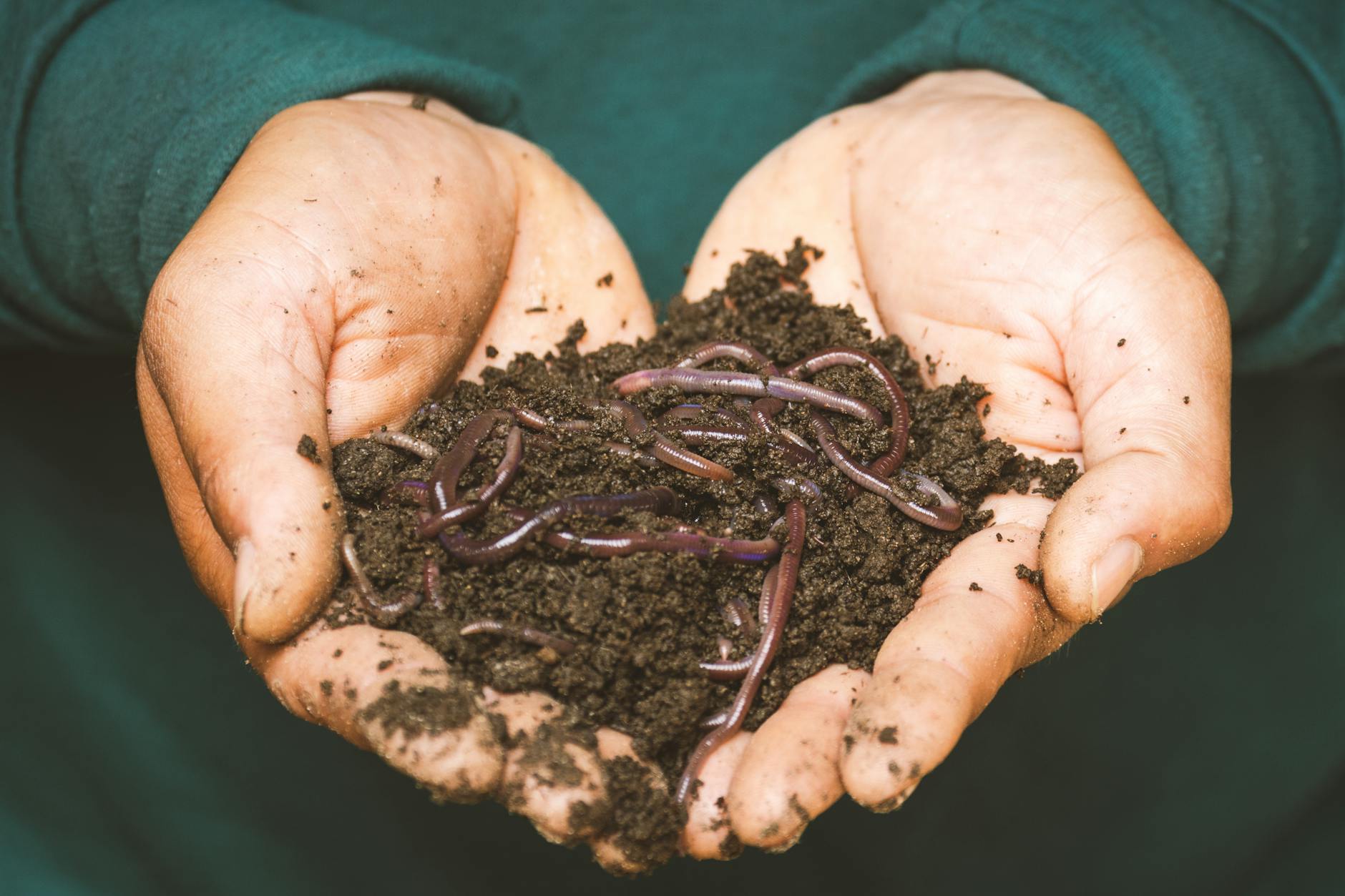
The simplest method is to dig a trench or hole in your garden or allotment, add the pre-compost, cover it with at least 10 cm of soil, and leave it for two to four weeks. The soil’s existing microbial population will break down the fermented material rapidly. After that period, the soil in that area will be noticeably enriched and you can plant directly into it. This technique is sometimes called “trench composting.”
Alternatively, mix the pre-compost into a traditional compost heap. The acids in the bokashi material will actually accelerate the composting of other organic matter in the heap. Add a good layer of carbon-rich material such as cardboard or dry leaves on top to balance the acidity and cover the smell.
If you have no garden at all, consider approaching your local community garden, allotment association, or council green space. Many community composting schemes in the UK welcome contributions of partially processed material. The RHS (Royal Horticultural Society) also provides guidance on community composting through its website.
Bokashi
Bokashi fits neatly into the broader push across the UK to reduce household food waste. According to WRAP (Waste and Resources Action Programme), UK households throw away approximately 6.4 million tonnes of food every year, much of which ends up in landfill where it generates methane. Bokashi allows virtually all food scraps — including the cooked leftovers, meat, and dairy that conventional compost heaps cannot safely accept — to be processed at home rather than sent to landfill or collected by council food waste services. For those without a green bin collection, or who live in a local authority area where collections are infrequent, it offers a practical, year-round alternative.
Several UK organisations actively promote bokashi as part of a wider food waste strategy. Zero Waste Scotland has featured fermentation-based composting in its household waste guidance, and a number of local councils — particularly in Wales, where recycling and waste reduction targets are among the most ambitious in Europe — have included bokashi in community education programmes. Starter kits are stocked by retailers including Wiggly Wigglers, Original Organics, and various independent garden centres, and the cost of the bran can be reduced considerably by making your own using molasses, effective microorganisms (EM) solution, and a wheat bran or sawdust base.
Whether you manage a large allotment, a modest back garden, or a flat with nothing more than a kitchen worktop, bokashi composting is an adaptable system that produces genuinely useful outputs from waste that would otherwise be discarded. The initial outlay is modest, the ongoing effort is minimal, and the results — both in terms of soil improvement and reduced household waste — are measurable and worthwhile.
Conclusion
Bokashi composting is well suited to the realities of modern UK life. It handles a wider range of food waste than traditional composting, works indoors without producing significant odour, and slots into small spaces without difficulty. The fermented material it produces is a genuine soil amendment, and the liquid feed, used correctly, is a cost-free addition to any gardening routine. With food waste reduction increasingly a priority for households, councils, and government alike, bokashi offers a straightforward, low-cost method of closing the loop between kitchen and garden — or, for those without outdoor space, between kitchen and community green space.