Tumbler Composters: Are They Worth Buying?
Tumbler Composters: Are They Worth Buying?
If you have spent any time browsing garden centres or scrolling through composting forums, you will have come across the tumbler composter — that barrel-shaped bin mounted on a frame, often bright green or black, promising faster compost and less effort. They look impressive. They also cost considerably more than a standard open-bottomed compost bin. So the question most UK gardeners eventually ask is a fair one: are tumbler composters actually worth the money?
The honest answer is: it depends on your situation. But to give you a genuinely useful response, this guide covers exactly how tumbler composters work, what they do well, where they fall short, how they compare to traditional compost bins, and what you should think about before spending £80 to £300 on one.
What Is a Tumbler Composter?
A tumbler composter is a sealed drum or barrel, usually made from recycled plastic, mounted on a frame so that it can rotate. You load kitchen and garden waste in through a hatch, spin it every few days, and — in theory — produce finished compost in a matter of weeks rather than months.
The basic science behind them is sound. Composting requires four things: carbon-rich “brown” material, nitrogen-rich “green” material, moisture, and oxygen. Traditional heap composting provides oxygen passively, through the gaps in a pile. A tumbler provides oxygen actively — each time you spin it, you introduce fresh air throughout the mass of material, which keeps the aerobic bacteria working efficiently. Those bacteria generate heat, and heat speeds up decomposition.
Most tumbler composters available in the UK fall into one of two designs:
- Single-chamber tumblers — one large drum. You add material continuously until it is full, then stop adding and let it finish composting. Simpler and generally cheaper.
- Dual-chamber tumblers — two compartments side by side. One side is actively receiving new material while the other finishes composting. This allows you to have a more continuous supply of finished compost.
Popular UK brands include the Blackwall Tumbling Composter (widely available through local councils), the Tumbleweed range, and models from Gardman and Graf. You will also find tumbler composters stocked at Wyevale, Dobbies, and online through suppliers such as Harrod Horticultural and Primrose.
The Case For Tumbler Composters
There are genuine advantages to tumblers, and dismissing them entirely would be unfair. For the right household, they can be an excellent composting solution.
Speed
This is the most frequently cited benefit, and it is largely true under the right conditions. A well-managed tumbler with a good balance of greens and browns, kept moist but not waterlogged, and spun regularly can produce usable compost in as little as four to six weeks during warm weather. A traditional open bin, by contrast, typically takes six to eighteen months without active management. Even a well-turned traditional heap usually takes three to four months at best.
The speed advantage is most pronounced in summer. In winter, even tumblers slow considerably, because the ambient temperature drops and the bacterial activity slows with it. Some insulated models perform better in cold conditions, but no tumbler composter eliminates the seasonal slowdown entirely.
Pest Resistance
A sealed tumbler is far more resistant to rats, mice, and other unwanted visitors than an open or slatted bin. This is a significant practical benefit for UK households, particularly in urban and suburban areas where rat populations are well established. The Royal Society for the Prevention of Cruelty to Animals (RSPCA) and local councils both advise against composting cooked food in open bins for this reason.
Because tumbler composters are sealed, many councils and composting organisations confirm they are suitable for composting a wider range of food waste, including cooked vegetables, dairy in small quantities, and even some meat — though caution is still advised with meat and fish, and you should check your local council’s guidance before experimenting. In England, composting food waste at home is encouraged as part of waste reduction targets under the Resources and Waste Strategy, and a sealed tumbler supports that goal more safely than an open heap.
Tidiness and Compact Footprint
For smaller gardens, patios, or households where a sprawling compost heap is simply not practical, tumblers offer a reasonably compact and tidy solution. They sit off the ground, they do not spread, and they do not require the dedicated corner of a garden that a traditional three-bay composting system demands. If you live in a terraced house in Leeds or a flat in Bristol with a small courtyard, a tumbler may be one of very few realistic composting options.
Ease of Turning
Turning a traditional compost heap with a fork is genuinely hard work. It requires effort, a decent-sized heap, and a second bay or space to move material into. Spinning a tumbler takes thirty seconds. For older gardeners, those with limited mobility, or anyone who finds heavy garden work difficult, this difference is meaningful.
The Case Against Tumbler Composters
The benefits above are real, but so are the drawbacks. Before buying, it is worth understanding them clearly.
Cost
A basic plastic compost bin from your local council often costs as little as £6 to £20 through subsidised schemes — many councils across England, Scotland, and Wales still offer discounted bins through the GetComposting scheme or equivalent local programmes. A tumbler composter, by contrast, typically costs between £80 and £300, depending on size and quality. That is a significant outlay, and it will take several years of consistent use before the cost is justified by the compost produced.
Limited Capacity
Most tumbler composters have a capacity of between 220 and 400 litres. This sounds generous until you realise how much garden waste a UK household generates — particularly in autumn, when leaves and prunings accumulate rapidly. A single session of cutting back a medium-sized garden can fill a 300-litre tumbler in one go, leaving you with nowhere to put additional material until the current batch has finished.
This is where the dual-chamber design has a clear advantage over single-chamber models. Even so, neither type can compete with a traditional compost bay or a large open-bottomed bin in terms of sheer volume.
The Learning Curve
Ironically, tumbler composters can be harder to manage successfully than open bins. Because they are sealed, the conditions inside can go wrong more quickly. Too much green material and the contents become a wet, smelly, anaerobic sludge. Too little moisture and the pile dries out and stops composting altogether. Over-spinning can actually reduce efficiency by preventing the heap from building up heat.
Beginners who expect a tumbler to do the work automatically often end up disappointed. The key to success is exactly the same as with any composting method: maintaining the right balance of materials and conditions.
No Worm Activity
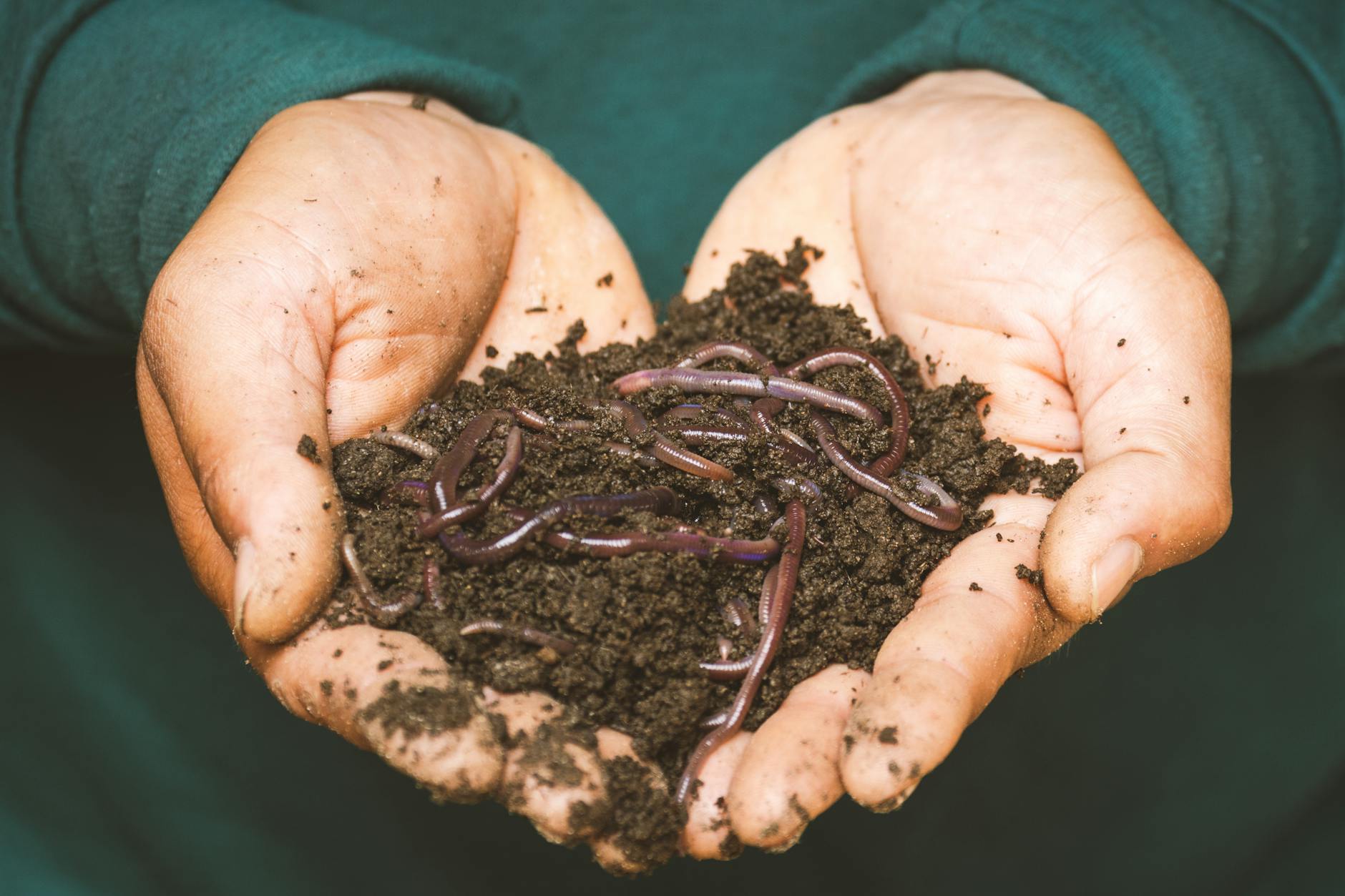
Traditional compost heaps benefit enormously from worms — particularly the red brandling worm (Eisenia fetida), which processes organic matter rapidly and produces worm casts that are extraordinarily rich in nutrients. Tumblers sit off the ground, which means worms cannot migrate in and out naturally. This is not a fatal flaw, but it does mean that tumbler compost is sometimes less biologically diverse and rich than compost produced in a ground-contact bin.
Durability Concerns
Cheaper tumbler composters can be fragile. The frames, in particular, are sometimes made from lightweight aluminium or thin plastic that does not cope well with the weight of a full drum. UK winters, with their combination of frost, wind, and rain, can shorten the lifespan of lower-quality models. If you buy a tumbler, invest in one with a robust steel frame and UV-stabilised plastic drum — it will last significantly longer.
How to Use a Tumbler Composter Effectively
If you decide to purchase one, getting the most from a tumbler composter comes down to following a consistent process. Here is a practical step-by-step routine:
- Start with a base layer of browns. Before adding any food or green garden waste, put in a layer of cardboard torn into pieces, dry leaves, or straw. This absorbs moisture and provides structure from the outset.
- Maintain a 3:1 brown-to-green ratio by volume. For every bucket of kitchen scraps or fresh grass clippings, add three buckets of cardboard, dry leaves, or wood chip. This is the most important rule and the one most beginners get wrong.
- Check moisture regularly. The contents should feel like a wrung-out sponge — damp but not dripping. In dry spells, add a small amount of water when you turn it. In wet weather, if the drum has ventilation gaps, cover them temporarily or add extra browns to absorb excess moisture.
- Spin every two to three days, not every day. Daily spinning does not allow the pile to build up sufficient heat. Every two to three days is the sweet spot for most UK conditions.
- Chop or shred materials before adding. Smaller pieces decompose faster. A garden shredder, a lawnmower run over leaves, or simply tearing cardboard into smaller pieces all help significantly.
- Do not add material once the drum is three-quarters full. Leave space for air circulation and for the material to tumble freely. A drum packed completely solid cannot be turned effectively.
- Wait for the finished product. When compost is dark, crumbly, earthy-smelling, and no longer recognisable as the original materials, it is ready. This typically takes four to eight weeks in summer and eight to sixteen weeks in autumn and winter.
- Empty and start again. Once a batch is complete, empty the drum fully, collect the finished compost, and begin the process again with a fresh base layer of browns.
What Can You Compost
Most kitchen and garden waste is suitable for tumbler composting, provided you maintain the right balance of carbon-rich browns and nitrogen-rich greens. Browns include cardboard torn into small pieces, dry leaves, straw, paper bags, and shredded newspaper. Greens include vegetable peelings, fruit scraps, coffee grounds, grass clippings, and fresh plant trimmings. Aim for roughly two parts browns to one part greens by volume. This ratio keeps the mix aerated, prevents excess moisture, and sustains the microbial activity that generates heat.
Certain materials should be kept out of the drum entirely. Do not add meat, fish, cooked food, dairy products, or bones, as these attract vermin and create unpleasant odours. Avoid adding pet waste, diseased plant material, or anything treated with persistent pesticides. Woody prunings thicker than a pencil break down too slowly and are better chipped first or sent to a separate heap. Perennial weeds such as bindweed or couch grass, and weeds that have already set seed, carry too much risk of surviving the process and spreading later in the garden.
Conclusion: Are Tumbler Composters Worth It?
For most UK gardeners, a tumbler composter is a worthwhile investment provided expectations are realistic. It will not replace a large open heap for processing significant volumes of garden waste, and it does require consistent attention to the brown-to-green ratio and moisture levels. What it offers in return is speed, tidiness, and reliable protection from rodents — three advantages that matter a great deal to anyone gardening on a smaller plot or in an urban setting. If you are prepared to add material in balanced batches, turn the drum regularly, and wait out the slower winter cycles, a good-quality tumbler will reward you with dark, crumbly, usable compost far more quickly than a traditional bin. Bought with clear expectations, it is a practical and durable tool for closing the loop on household and garden waste.