How to Choose the Right Compost Bin for Your Garden
How to Choose the Right Compost Bin for Your Garden
Composting is one of the most satisfying things you can do as a gardener. You take kitchen scraps and garden waste, tuck them away, and a few months later you pull out rich, dark, crumbly stuff that your plants absolutely love. But before any of that magic happens, you need to pick the right bin – and that choice matters more than most beginners realise.
Walk into any garden centre, browse the RHS website, or flick through a Dobies catalogue, and you’ll quickly find yourself staring at a bewildering range of options. Plastic Dalek bins, wooden slatted bays, tumbler composters, wormeries, bokashi buckets – the list goes on. Each one suits a different type of garden, a different lifestyle, and a different kind of waste. Getting this decision right at the start means you’re far more likely to stick with composting and actually get results.
This guide walks you through everything you need to know to make a confident, informed choice.
Why Bother Composting at All?
It’s worth pausing for a moment to remind yourself why this is worth doing. In the UK, food waste and garden clippings account for a significant chunk of what ends up in landfill. When organic material breaks down in landfill without oxygen, it produces methane – a greenhouse gas far more potent than carbon dioxide. Composting at home diverts that waste, produces zero methane (aerobic decomposition produces carbon dioxide and water instead), and gives you a genuinely useful product for free.
Many UK councils actively encourage home composting. Some, like those in Somerset, Devon, and parts of Yorkshire, have historically offered subsidised compost bins through schemes run via GetComposting.com, which is run in partnership with local authorities. It’s always worth checking your council’s website before you pay full price – you might find you can get a decent plastic bin for under a tenner.
Beyond the environmental angle, there’s a straightforward practical benefit: good compost improves your soil structure, feeds your plants, helps sandy soils retain moisture, and helps heavy clay soils drain better. You’ll spend less on bought compost and fertiliser. Over time, that adds up.
Understanding the Different Types of Compost Bin
There is no single “best” bin. The right one depends on how much space you have, what waste you’re composting, how hands-on you want to be, and honestly, how much you want to spend. Here’s a rundown of the main options.
The Plastic Dalek Bin
This is the classic. Named for its passing resemblance to a certain BBC villain, the plastic moulded compost bin is what most beginners start with – and for good reason. It’s inexpensive (often £10-£25 new, or subsidised through your council), simple to use, and takes up relatively little space. You simply place it directly on soil, add your waste through the top, and eventually harvest finished compost from the hatch at the bottom.
The downsides are real, though. Plastic bins can get too wet in our famously rainy British climate, they can be difficult to turn (which slows the process down), and they don’t always heat up enough to kill weed seeds. They’re best suited to smaller gardens where you’re adding waste steadily rather than in large batches. If you’re a casual gardener who wants a low-effort composting solution and doesn’t generate mountains of waste, this is a perfectly sensible choice.
Wooden Compost Bays
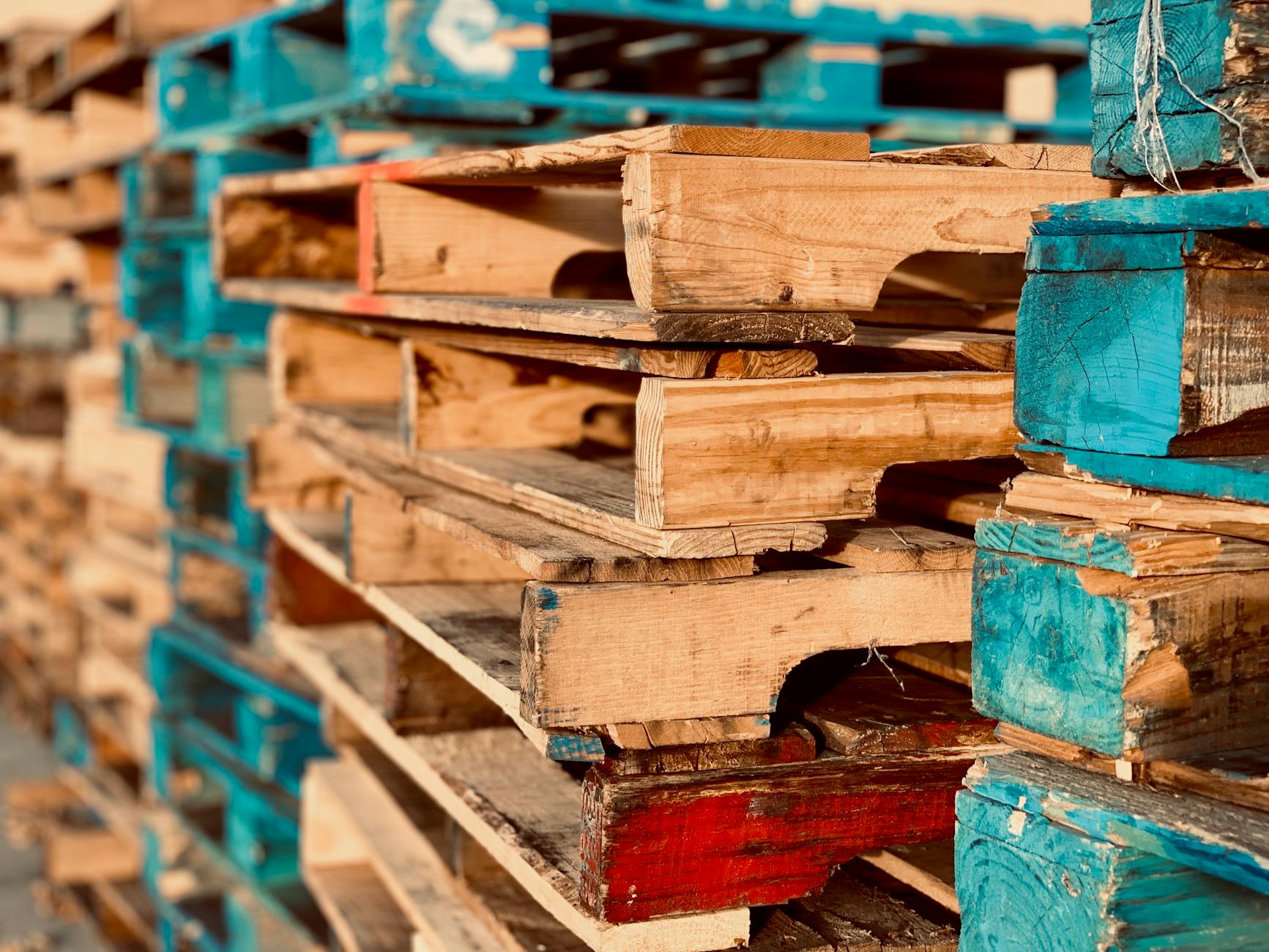
A step up in both commitment and results. Wooden bays – whether you build them yourself from pallets or buy a slatted kit from a supplier like Harrod Horticultural or Implementations – allow much better airflow, are easier to turn with a fork, and can handle larger volumes of material. Many experienced composters use a two- or three-bay system: one bay for fresh material, one for material that’s been turned and is actively composting, and one holding finished compost ready to use.
They look much more attractive than plastic bins, which matters if your composting area is visible from the house or garden. They also last a very long time if made from pressure-treated timber or naturally durable hardwoods like oak. The main requirement is space – a single bay should ideally be at least a metre square, and three bays will need a decent corner of your garden.
Compost Tumblers
Tumblers have gained popularity because they promise faster results and a tidier setup. The drum sits off the ground on a frame, and you rotate it every few days to aerate the contents. Because the material is enclosed and off the ground, rodents are much less of an issue – a genuine concern in suburban gardens where rats are an unwelcome reality.
The speed claims are partly true: under ideal conditions, a tumbler can produce usable compost in six to eight weeks. However, they only work well when you add a reasonable volume of material in one go, rather than topping up slowly. They’re also more expensive (expect to pay £60-£150 for a decent one), and the small drum size means they’re not suitable for anyone with a lot of garden waste. Brands like the Hotbin Compost (a British product) and various Juwel models are popular in the UK.
Hot Composters
The Hotbin, designed and manufactured in the UK, is in a category of its own. It uses thick insulated walls to retain heat, allowing the internal temperature to reach 40-60°C. At those temperatures, composting is dramatically faster – the manufacturers claim usable compost in 30-90 days – and the heat kills weed seeds and most pathogens. You can also add cooked food and meat, which you absolutely should not put in a standard cold composter.
The trade-off is cost (around £130-£200) and a slightly steeper learning curve. You need to maintain the right moisture and carbon-to-nitrogen ratio more carefully. But for serious gardeners, or those who want to compost a wider range of materials, it’s an excellent investment.
Wormeries
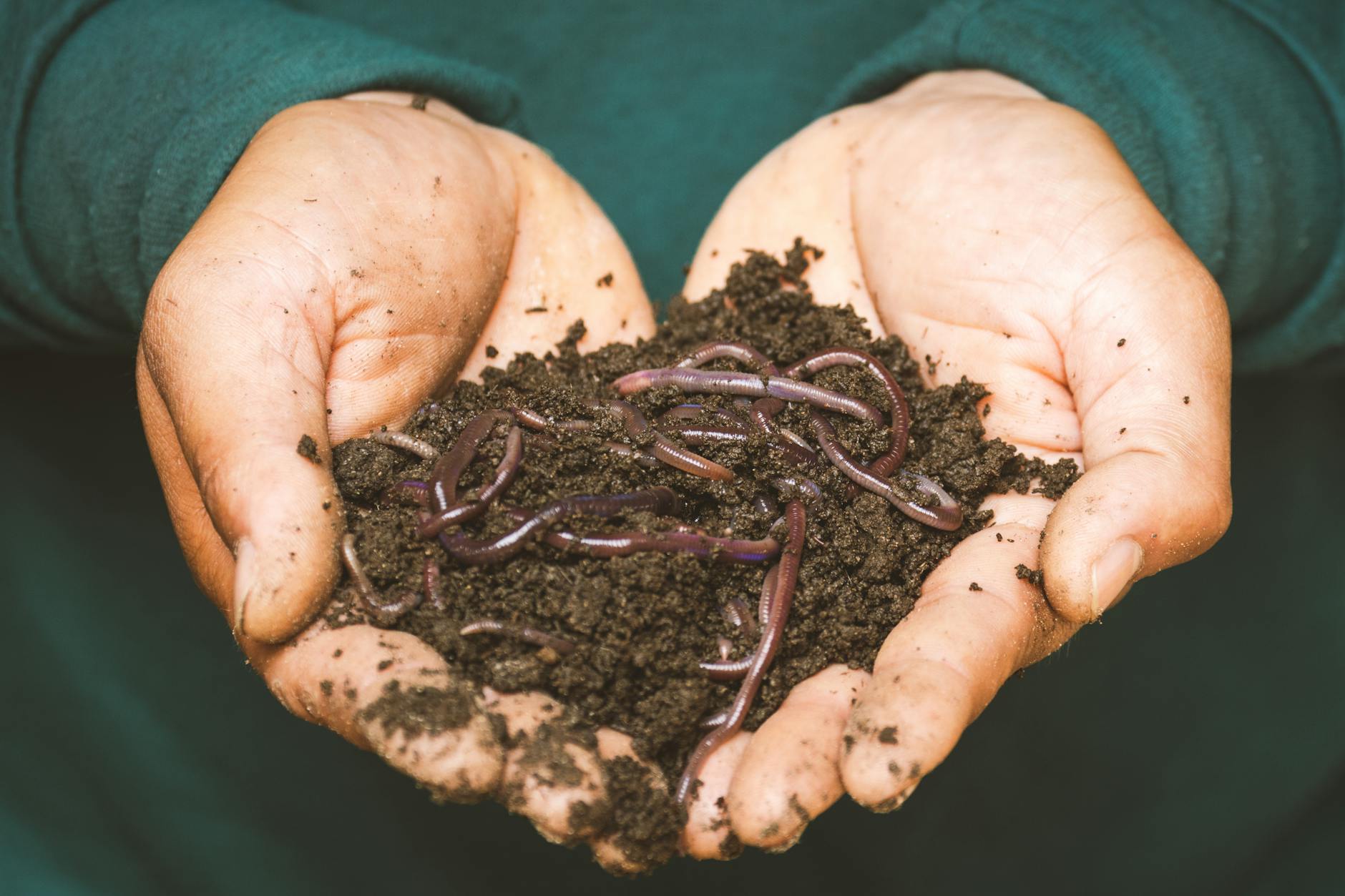
A wormery is not a compost bin in the traditional sense – it uses tiger worms (not ordinary earthworms) to process food waste into a very rich compost and liquid feed. They’re ideal for flat dwellers or anyone with a tiny garden, since a wormery can sit on a balcony or even in a shed. They handle kitchen scraps brilliantly but don’t cope well with large volumes of garden waste like grass clippings or prunings.
The liquid produced – often called “worm tea” – is a superb liquid feed when diluted at roughly 1:10 with water. Wormeries require a little more care than a standard bin: the worms need to be kept above 10°C (so they may need bringing inside over winter in Scotland or northern England), and they don’t like acidic conditions, so you need to go easy on citrus peel and onions.
Bokashi Systems
Bokashi is a Japanese fermentation method, and it works quite differently from composting. You layer food waste – including cooked food, meat, fish, and dairy – with a bran inoculated with beneficial microorganisms. The mixture ferments rather than decomposes, producing a pre-compost that then needs to be buried in soil or added to a conventional compost bin to finish breaking down. It’s a brilliant complement to a standard bin rather than a standalone solution, and it’s excellent for dealing with food waste that you can’t put elsewhere.
What to Think About Before You Buy
Before you spend any money, ask yourself these questions honestly:
- How much space do you have? A large wooden bay system needs room. A wormery or bokashi bin can fit under a kitchen sink.
- What waste will you be composting? Mostly kitchen scraps? Garden clippings? A mix? Cooked food or meat? Your answer narrows the field significantly.
- How hands-on do you want to be? If you want to add waste and forget about it, a standard plastic bin is fine. If you’re willing to turn, monitor, and manage, you’ll get faster results from a tumbler or hot composter.
- Do you have children or pets? Some bins are much more secure against curious dogs or urban foxes than others.
- Are rats a concern? In many UK towns and cities, rats are a real issue. An enclosed, off-the-ground tumbler or a Hotbin is far less attractive to them than an open bay or a poorly managed Dalek bin.
- What’s your budget? Remember to factor in your council’s subsidised bin scheme before deciding what you can afford.
Compost Bin Comparison at a Glance
This table covers the most common options for UK home gardeners and gives you a quick way to compare them side by side.
| Bin Type | Approximate Cost | Space Required | Time to Compost | Best For |
|---|---|---|---|---|
| Plastic Dalek Bin | £10-£25 (often subsidised) | Small (0.5m²) | 6-18 months | Beginners, small gardens, low-effort composting |
| Wooden Bay System | £30-£150 (or free with pallets) | Large (3m²+ for 3 bays) | 3-9 months | Keen gardeners, large volumes of waste, allotments |
| Compost Tumbler | £60-£150 | Medium (1-1.5m²) | 6-10 weeks (active use) | Those concerned about rodents, tidier setups |
| Hot Composter (e.g. Hotbin) | £130-£200 | Small-Medium (0.5-1m²) | 30-90 days | Serious composters, cooked food waste, faster results |
| Wormery | £50-£120 | Very small (balcony/shed) | 3-6 months |