Wooden Compost Bins vs Plastic: Which Is Better?
Wooden Compost Bins vs Plastic: Which Is Better?
My first compost bin was a battered black plastic dalek — the kind you see stacked outside garden centres across the country every spring, usually priced somewhere between £20 and £40. It did its job, more or less. Kitchen scraps went in, a vaguely earthy smell came out, and after about eighteen months I produced something that looked, if not quite like the rich crumbly compost in the brochures, then at least like something a plant might tolerate. It was a start.
A few years later, a neighbour in our South Yorkshire village offered me a set of old railway sleeper offcuts and suggested I build a proper wooden bay. I spent a damp Saturday afternoon hammering and swearing in the back garden, but by teatime I had a three-bay composting system that transformed how I thought about the whole process. The difference was significant enough that I started wondering why I hadn’t done it years earlier — and also whether the plastic bin had been getting an unfairly bad reputation all along.
The truth, as is so often the case in gardening, is more nuanced than the internet would have you believe. Both wooden and plastic compost bins have genuine strengths and real limitations. Which one suits you depends on your garden, your budget, your household habits, and honestly, how much you enjoy a bit of weekend woodwork. This guide will walk you through both options in plain terms so you can make a confident decision.
Understanding What a Compost Bin Actually Does
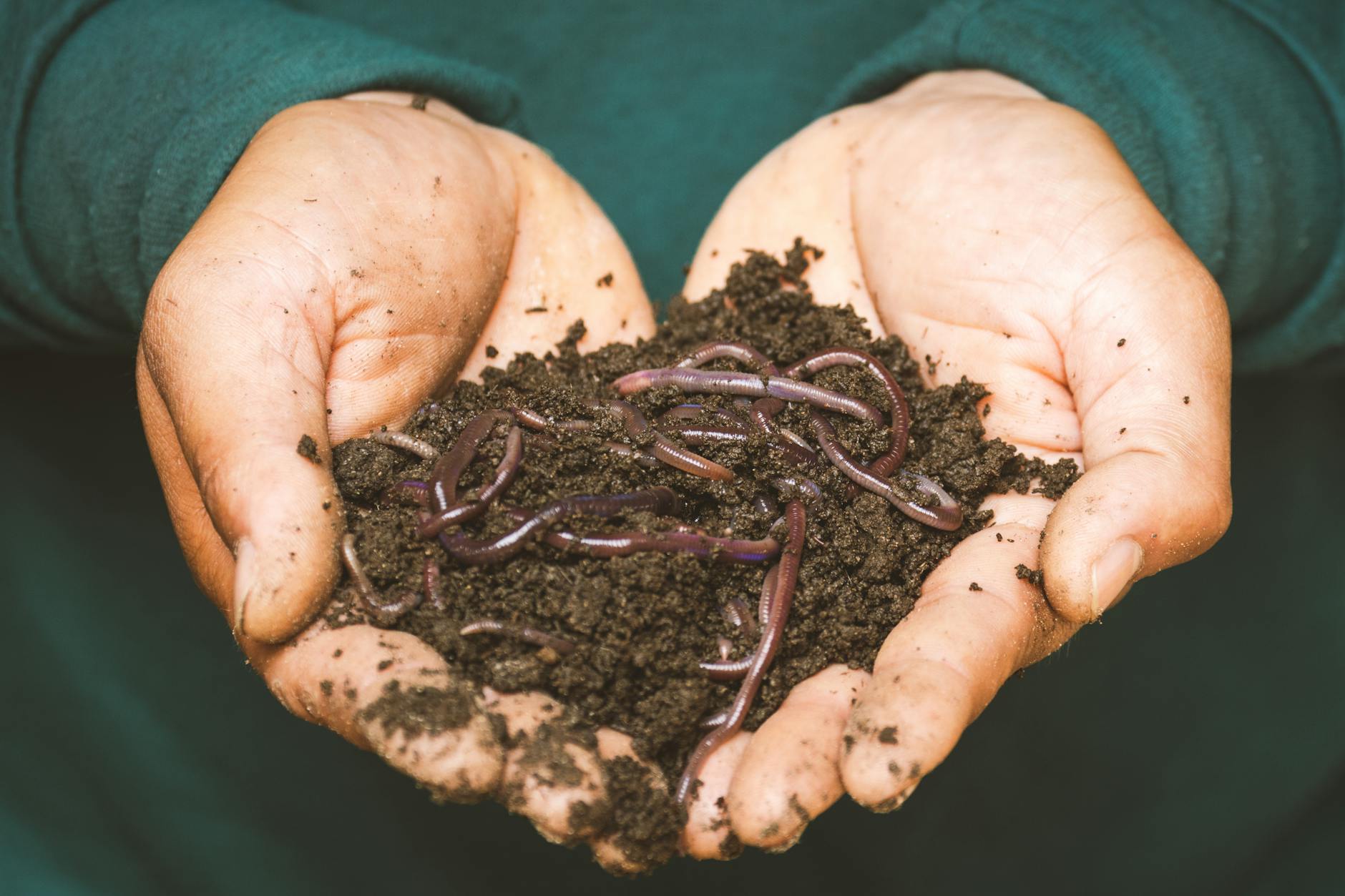
Before comparing materials, it helps to understand what a compost bin is really for. Composting is a biological process — bacteria, fungi, worms, and a host of other organisms break down organic matter into humus, a dark, nutrient-rich material that improves soil structure and fertility. Your bin’s job is to create the right conditions for those organisms to thrive: warmth, moisture, and airflow, balanced against heat retention and pest exclusion.
Neither wood nor plastic is inherently superior at this. Both can produce excellent compost if managed well. Both can produce a soggy, stinking mess if managed poorly. What the material affects is how easily you maintain those conditions, and how much effort the bin demands from you over its lifetime.
The Case for Plastic Compost Bins
Plastic bins — typically the closed, dome-topped dalek style — are the most common choice in British gardens, and for good reason. Many local councils across England, Scotland, and Wales subsidise them heavily. Through schemes run by organisations like GetComposting (operated in partnership with various county and district councils), households can often buy a 220-litre or 330-litre plastic bin for as little as £5 to £10, compared to the full retail price of £25 to £50. If you live in a council area participating in such a scheme, a plastic bin is almost certainly the cheapest way to start composting immediately.
Beyond price, plastic bins offer practical advantages that suit many gardens. They are fully enclosed, which makes them reasonably resistant to rats and foxes — a genuine concern in urban areas from Bristol to Glasgow. They retain heat well in cool weather because the dark plastic absorbs sunlight, which can keep microbial activity ticking over even in a grey October. They require no assembly beyond placing them on bare soil, and they need virtually no maintenance beyond adding material and occasionally turning the contents.
They are also compact. If your garden is a modest terraced yard or a small suburban plot, a plastic dalek can sit in a corner without dominating the space. You do not need to dedicate a 2-metre-square area to composting infrastructure.
The limitations, however, are real. Plastic bins can become waterlogged because airflow is restricted — the solid walls do not breathe the way timber does. In wet British summers, this can slow decomposition and create anaerobic conditions, which produce a sour, unpleasant smell rather than the clean earthy scent of good compost. The single-chamber design also means you cannot easily separate finished compost from fresh material, so either you wait for the entire bin to finish before emptying it, or you dig through layers trying to extract the good stuff from the bottom hatch, which is fiddly and often unsatisfying. Turning the material is difficult in a tall, narrow cylinder, and without regular turning, decomposition slows considerably.
Durability is another concern. Cheaper plastic bins can become brittle after several years of UV exposure, cracking at the base or around the lid hatch. Some councils have noted that heavily subsidised bins have a practical lifespan of five to eight years before the plastic degrades noticeably. That said, higher-quality plastic bins from brands like Blackwall or Maze, available through garden retailers such as Dobies or Harrod Horticultural, are significantly more robust and can last considerably longer.
The Case for Wooden Compost Bins
A well-constructed wooden compost bin is a different experience entirely. Timber is a naturally porous material, which means air circulates through the walls without any deliberate effort on your part. This passive ventilation keeps the compost aerobic — meaning the beneficial bacteria that thrive in oxygen-rich conditions can do their work efficiently, producing heat and breaking down material faster than in a sealed plastic chamber.
The open-fronted bay design typical of wooden bins also makes turning much easier. You simply remove the front boards, fork the material over, and replace them. This ability to turn compost regularly — ideally every few weeks — dramatically accelerates decomposition. A well-managed wooden bay in a British garden can produce usable compost in three to four months during summer, compared to six to twelve months in a plastic bin with minimal turning.
Wooden bins also look better, which matters more than some people admit. A neat wooden bay, particularly one made from FSC-certified or reclaimed timber, sits comfortably in a kitchen garden or allotment plot. It does not look like an afterthought. Several UK suppliers, including Harrod Horticultural in Suffolk and The Reclaimed Flooring Company, offer attractive wooden composting systems that would not look out of place in a Chelsea Flower Show display garden. Some allotment associations across the country — including those affiliated with the National Allotment Society — specify wooden bays in their site rules because they blend better into the shared green environment.
A three-bay wooden system is widely considered the gold standard for home composting. The principle is straightforward: one bay collects fresh material, a second holds material that is actively decomposing, and the third contains finished or nearly finished compost ready to use. This rotation means you always have compost at some stage of readiness, and you never have to dig through a bin wondering whether it is done yet. The Fresh Starts allotment project in Sheffield, which I visited a few years ago, ran workshops specifically on three-bay systems because the instructors found newcomers produced usable compost far more reliably when they had the space to manage multiple stages.
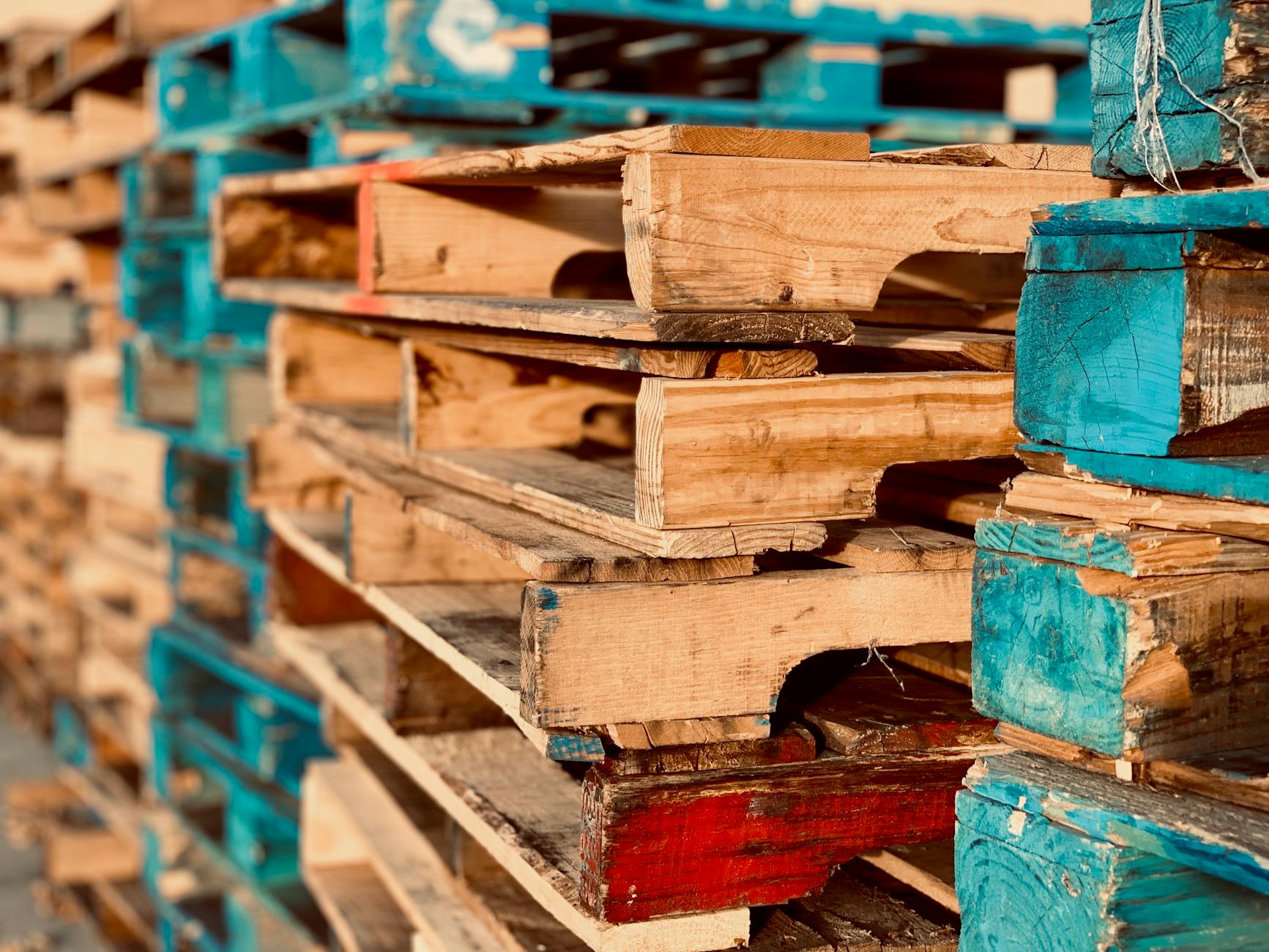
Cost is the main drawback. A decent purpose-built wooden compost bin from a reputable supplier typically costs between £60 and £200, depending on size and timber quality. A proper three-bay system — whether bought flat-pack or self-built — can cost considerably more in materials. If you build your own from reclaimed pallets (a popular and genuinely effective approach), costs can drop significantly, though the result is less tidy and pallet quality varies widely. Not all pallets are treated with the same chemicals, and it is worth checking for the IPPC mark on any pallet you intend to use — avoid those marked MB, which indicates methyl bromide treatment.
Wooden bins also require more maintenance over time. Untreated timber will eventually rot, particularly in contact with damp compost. Treating the wood annually with a plant-safe preservative — linseed oil is a good natural option — extends its life considerably, but this is a task that plastic bin owners never have to think about. A well-maintained wooden bin should last ten to fifteen years or more, but it does demand that maintenance.
Head-to-Head: Key Factors Compared
Choosing between the two becomes much clearer when you line up the practical factors that matter most to most gardeners. Here is a straightforward comparison across the considerations that tend to influence decisions:
- Cost: Plastic wins outright, especially with council subsidies. Wooden bins represent a higher upfront investment, though DIY pallet builds can reduce this significantly.
- Ease of setup: Plastic bins require no tools and no assembly. Wooden bins — even flat-pack versions — involve some construction time and basic tools.
- Composting speed: Wooden bins, with better airflow and easier turning, typically produce compost faster when managed actively.
- Pest resistance: Enclosed plastic bins perform better at deterring rats and foxes, particularly in urban gardens.
- Volume capacity: Wooden bay systems can be built to any size and expanded. Plastic daleks are limited to their manufactured volume.
- Appearance: Wooden bins are generally more attractive and better suited to decorative or shared garden spaces.
- Maintenance required: Plastic needs virtually none; wooden bins require periodic treatment and may need board replacement over time.
- Longevity: Treated wooden bins outlast most plastic bins if maintained properly. Cheap plastic bins can degrade in as few as five years.
- Turning ease: Wooden open-fronted bays make turning straightforward. Plastic dalek bins make it genuinely difficult.
- Suitability for small gardens: Plastic bins are more compact and better suited to very small spaces.
What About Tumbler Composters?
A brief word on
tumbler composters, which sit outside both categories above. These are rotating drums mounted on a frame, designed to speed up decomposition by making turning effortless. In the UK, they are sold by brands such as Hotbin’s competitors and various garden centre own-labels, typically in black plastic. They perform well for households that generate a steady stream of kitchen waste and want results quickly — a full tumbler can produce usable compost in as little as four to six weeks in warmer months. The main drawbacks are cost (quality tumblers start at around £80–£150), limited capacity, and the fact that they do not suit large volumes of garden waste such as prunings or grass clippings particularly well.
Tumblers are best thought of as a supplement rather than a replacement for a main composting system. Many gardeners run a tumbler alongside a larger wooden bay, feeding kitchen scraps into the tumbler for speed whilst slower, bulkier material breaks down in the bay. This combined approach is practical and suits the typical British garden reasonably well, where output from the kitchen and the garden rarely arrive in tidy, equal proportions.
So Which Should You Choose?
For most UK gardeners with a reasonable amount of outdoor space, a wooden compost bin — whether a simple slatted bay built from reclaimed timber or a properly constructed open-fronted double bay — will serve better in the long run. It offers greater capacity, better airflow, easier management, and a lifespan that justifies the initial effort. Plastic dalek bins remain a sensible choice for smaller gardens, renters, or those who simply want a low-effort, self-contained unit with minimal outlay. The honest answer is that the best compost bin is the one you will actually use consistently, fill correctly with a balance of greens and browns, and turn with reasonable regularity. Bin material matters far less than the habit of using it.