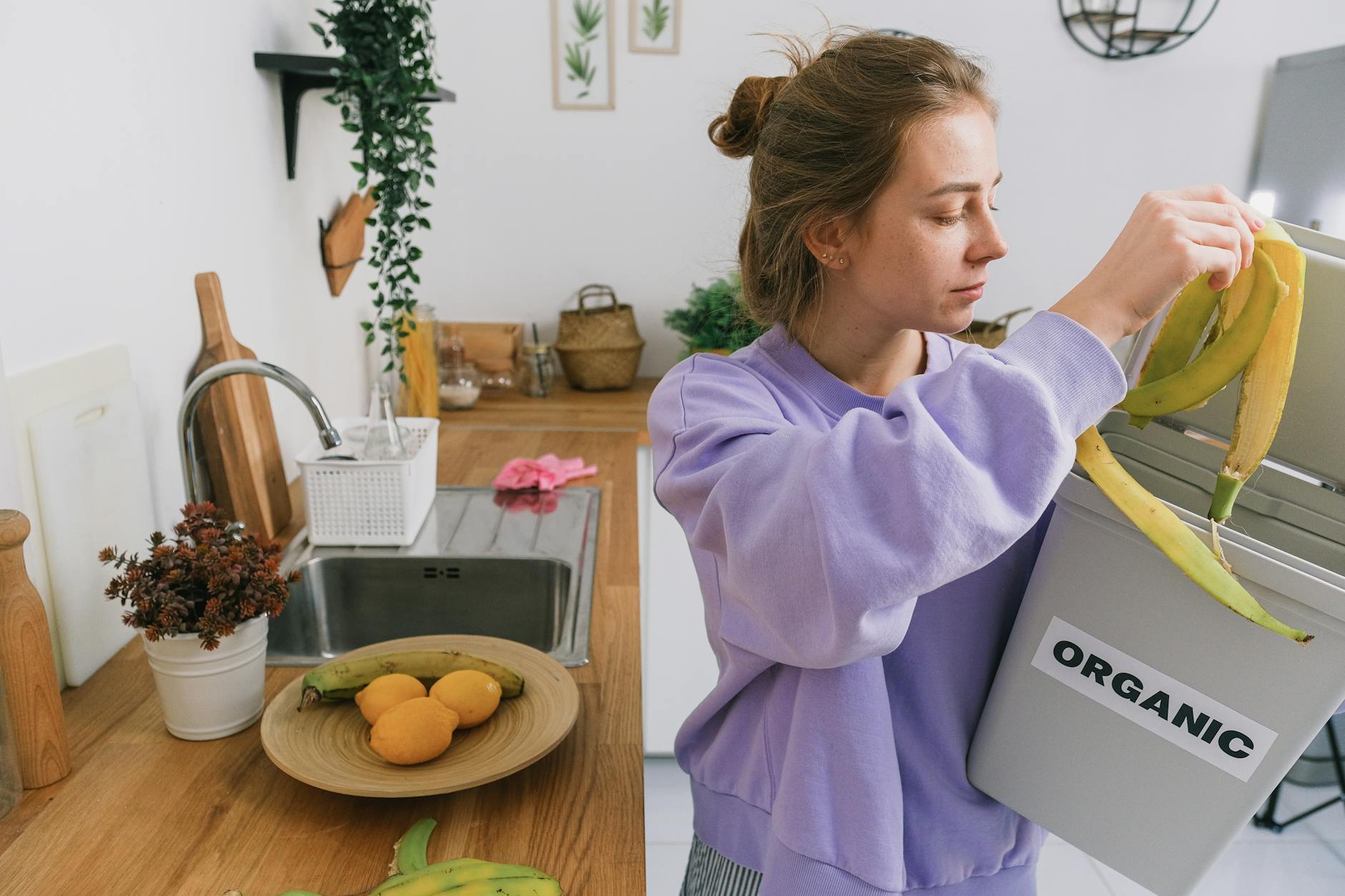
What NOT to Put in Your Compost Bin
What NOT to Put in Your Compost Bin
Composting is one of the most satisfying things you can do in a British garden. You take your kitchen scraps and garden waste, toss them into a bin, and a few months later you have rich, dark compost that your plants absolutely love. It’s free, it reduces the amount you send to landfill, and it genuinely makes a difference to your soil. Once you get the hang of it, it becomes second nature — like remembering to put your bins out on a Tuesday.
But here’s the thing that catches a lot of beginners out: composting is not simply a matter of chucking everything organic into a bin and waiting. There are things that will actively harm your compost pile, attract pests, create unpleasant smells that upset your neighbours, or even pose a health risk. Get this wrong, and you’ll end up with a slimy, smelly mess that puts you off composting altogether. Get it right, and your compost bin will tick along beautifully with very little effort from you.
This guide is here to help you avoid the common mistakes. Think of it as the honest advice your more experienced allotment neighbour might give you over the fence — the stuff that doesn’t always make it into the cheerful leaflets from your local council.
Why Getting This Wrong Actually Matters
Before we get into the specifics, it’s worth understanding why certain things don’t belong in a home compost bin. It’s not just about following rules for the sake of it. There are real, practical consequences to adding the wrong materials.
Some items won’t break down at all, or will take so long that they’ll still be sitting there intact years later. Others will attract rats, foxes, and other unwanted visitors — a particular concern if you live in an urban area. Certain materials can introduce plant diseases or weed seeds into your finished compost, which then spread around your garden when you use it. And some things, particularly cooked foods and meat, can create genuinely unpleasant odours that will have your neighbours less than impressed.
A well-managed compost bin, by contrast, should not smell bad. It should have a pleasant, earthy scent — like a forest floor after rain. Keeping the wrong things out is a big part of achieving that.
Meat, Fish, and Cooked Foods
This is the big one, and probably the most common mistake that beginners make. Leftover chicken, fish skin, cooked pasta, yesterday’s curry — none of these belong in your home compost bin. It’s tempting, because they’re organic, and in principle they will eventually decompose. The problem is the way they decompose in a standard garden compost bin.
Meat and fish rot rather than composting in the traditional sense. They produce strong odours as they break down, and those odours are a beacon for rats and foxes. In a country where urban fox populations are as bold as they are, this is a serious concern. Rats are extremely good at finding a food source, and once they move into your compost bin, they’re remarkably difficult to get rid of. Your neighbours will not thank you, and neither will you.
Cooked foods more generally — anything that’s been prepared with oil, butter, salt, or sauces — carry similar risks. Even cooked vegetables or bread can attract pests in ways that raw vegetable peelings simply don’t.
If you want to compost food waste including cooked scraps and meat, a bokashi system is worth looking into. It’s a sealed fermentation process that handles these materials safely before they go into your main bin or directly into the soil. Companies like Wiggly Wigglers, based in Herefordshire, sell bokashi kits, and you can find them in many garden centres across the UK. It’s a different system entirely, but it solves the problem neatly.
Dairy Products and Eggs
Milk, cheese, butter, yoghurt, and cream all fall into the same category as cooked food. They will attract pests and create unpleasant smells as they decompose. Eggshells, however, are a different matter entirely — they’re excellent for composting because they add calcium to your finished compost and help with aeration. Just make sure you’re adding the shells only, not any remaining egg white or yolk, which can smell as they break down.
A useful trick with eggshells is to give them a quick rinse and let them dry before adding them to your bin. It reduces any smell and speeds up their breakdown slightly. Some gardeners crush them first to help them decompose faster, which makes sense given how long intact shells can take.
Diseased Plant Material
This one surprises a lot of people. Surely all garden waste is fair game? Not quite. If a plant in your garden has been affected by a disease — blight on your tomatoes, clubroot on your brassicas, powdery mildew, or rust — you should not put that material in your compost bin.
Home compost bins rarely reach the temperatures needed to kill off plant pathogens reliably. Commercial composting facilities do, because they’re managing enormous quantities of material and can achieve consistent high temperatures throughout. Your garden bin almost certainly doesn’t. Add diseased material, and you risk the pathogens surviving in your compost and spreading across your garden when you use it.
The same logic applies to plants that have bolted and gone to seed, particularly weeds like dandelions, bindweed, or couch grass. Weed seeds can remain viable even in a home compost bin, and you really don’t want to be spreading those around your beds. Persistent weeds with root systems that can regenerate — bindweed and Japanese knotweed being the most notorious UK examples — should never go in your compost bin at all. Japanese knotweed is actually subject to specific legal controls in the UK under the Wildlife and Countryside Act 1981, and must be disposed of as controlled waste. Your local council can advise on how to handle it properly.
Perennial Weeds and Invasive Plants
To expand on the point above: annual weeds that haven’t set seed are generally fine for composting. But perennial weeds are a different matter. Couch grass, ground elder, creeping buttercup, and of course bindweed can all regenerate from small root fragments. If those fragments survive in your compost — which they often will — you’ll be spreading the problem across your entire garden.
If you do want to deal with perennial weed roots rather than simply binning them, there is a method: submerge them in a bucket of water for several weeks until they’ve completely rotted down into a liquid. The resulting liquid feed can be diluted and used on your plants, and the dead root material can then be composted safely. It takes some patience, but it works.
Pet Waste and Cat Litter
Dog poo and cat faeces should not go into your home compost bin. They can contain harmful pathogens, including Toxocara (a type of roundworm present in dog faeces) and Toxoplasma gondii from cats, which pose genuine health risks to humans. Your finished compost might look fine, but if it contains pet waste that hasn’t been fully treated, it can contaminate soil and potentially the food you grow in it.
Some local councils in the UK have specific pet waste composting programmes or provide dedicated dog waste bins in parks, so it’s worth checking what your local authority offers. There are also specialist pet waste digesters available — these are different from standard compost bins and are designed to handle the specific challenges of animal waste safely.
Cat litter, whether clay-based or other synthetic varieties, definitely doesn’t belong in your compost bin. Even so-called “biodegradable” cat litters should be checked carefully — some may be suitable, but you should confirm this with the manufacturer and consider whether the associated faecal matter is properly handled.
Glossy Paper and Treated Card
Plain cardboard and newspaper are brilliant for composting — they’re a great “brown” carbon-rich material to balance out the wetter, nitrogen-rich kitchen scraps. But glossy paper is different. Magazine pages, brochures, catalogues, and heavily treated packaging often contain inks, coatings, and chemicals that you really don’t want breaking down into your compost and then into your soil.
When in doubt, a simple rule: if it feels waxy or shiny, it goes in the recycling, not the compost. Plain brown cardboard, torn into pieces, is ideal. Corrugated cardboard, egg boxes, and cardboard tubes are all excellent additions.
Coal Ash and Treated Wood
Wood ash from an untreated log fire or wood-burning stove can be added to your compost in small quantities — it’s a useful source of potassium and can help raise the pH of acidic soil. But coal ash is a completely different matter. Coal ash contains sulphur compounds and other substances that are harmful to plants and soil organisms. It should go in your general waste bin, not your compost.
Similarly, wood that has been treated with preservatives, paints, or stains should never be composted. The chemicals used in wood treatment can persist in your compost and cause real harm. This includes older garden furniture or fence panels treated with creosote, which is now restricted for amateur use in the UK under REACH regulations.
Synthetic Materials That Look Organic
This is a trap that catches people out more than you might expect. Some materials look natural but aren’t, or contain synthetic components that won’t break down properly. A few examples worth knowing about:
- Vacuum cleaner dust: Tempting to add, but modern vacuum dust contains synthetic fibres from carpets and upholstery, microplastics, and various household chemical residues. It’s not suitable for composting.
- Dryer lint: Similar issue. If your clothes are synthetic or blended fabrics, the lint will contain plastic microfibres.
- Some tea bags: This has become better known in recent years, but many commercial tea bags — including some popular UK brands — use a small amount of polypropylene plastic to seal the bag. These won’t fully break down. Look for bags labelled as fully
compostable, or simply switch to loose-leaf tea. - Glossy or coated paper: Plain cardboard and newspaper are fine, but shiny paper — such as magazine pages, till receipts, and food packaging with a plastic or foil coating — contains materials that will not break down properly and may leave residues in your finished compost.
- Coal ash: Wood ash in small quantities is generally acceptable, but coal ash is a different matter entirely. It contains sulphur compounds and potentially toxic residues that can harm soil biology and plant roots. Stick to ash from untreated wood only.
A few of the items on this list may come as a surprise, particularly if you have been composting for years without giving them much thought. The key distinction is usually between natural materials that will genuinely break down and those that merely appear to. Synthetic fibres, plastic sealants, and chemical residues do not disappear just because they are buried in a warm, moist heap — they persist, and in some cases they end up in your soil and, eventually, your food.
It is also worth remembering that what goes into your compost bin affects more than just the speed of decomposition. A contaminated heap can introduce harmful pathogens, discourage the worms and microorganisms that do the actual work of breaking material down, and produce compost that does more harm than good when spread on a vegetable patch. If you are ever uncertain about a particular item, the safest approach is simply to leave it out.
A Final Word
Composting is one of the most straightforward and rewarding things a household can do to reduce waste and improve a garden. Getting it right does not require specialist knowledge — it mainly requires knowing what to avoid. Meat, dairy, cooked food, diseased plants, treated wood, and the various synthetic materials covered above all belong in the general waste or recycling streams, not the compost bin. Keep your heap to raw fruit and vegetable scraps, garden clippings, cardboard, and similar natural materials, and you will produce rich, healthy compost that genuinely benefits your soil. When in doubt, leave it out.


https://shorturl.fm/eMbEQ
https://shorturl.fm/HPJdN
https://shorturl.fm/VF1n4
https://shorturl.fm/tFIi6
https://shorturl.fm/2hjAC
https://shorturl.fm/k2JEO
https://shorturl.fm/lf90R
Последние новинки музыки 2026 скачать бесплатно https://shorturl.fm/l9SWZ
https://shorturl.fm/LGoBC
Последние новинки музыки 2026 скачать бесплатно https://shorturl.fm/cCQW9
Последние новинки музыки 2026 скачать бесплатно – https://shorturl.fm/rrdv9
https://shorturl.fm/eh0YD
https://shorturl.fm/nei1s
https://shorturl.fm/QPDLh
https://shorturl.fm/esGwz
https://shorturl.fm/cuiDx
https://shorturl.fm/Yioic
https://shorturl.fm/ijm7e
https://shorturl.fm/NdVs3
https://shorturl.fm/zXV4O
https://shorturl.fm/7Y7Kw
https://shorturl.fm/ol5f0
https://shorturl.fm/ESpUc
https://shorturl.fm/kxXK1
https://shorturl.fm/mkWWL
https://shorturl.fm/WIPZM
https://shorturl.fm/9QohC
https://shorturl.fm/Aps2i
https://shorturl.fm/IWylE
https://shorturl.fm/m6hTY
https://shorturl.fm/nGsl0
https://shorturl.fm/jLthL
https://shorturl.fm/P2DdZ
https://shorturl.fm/Al4fK
https://shorturl.fm/S0q5L
https://shorturl.fm/HHqJl
https://shorturl.fm/j5tVn
https://addlinks.pro/1BAfZ
https://addlinks.pro/HObgt
https://addlinks.pro/aSMko